
Artificial intelligence has quickly become one of the defining technologies of the 21st century. Now, it is becoming one of the biggest forces shaping American politics.
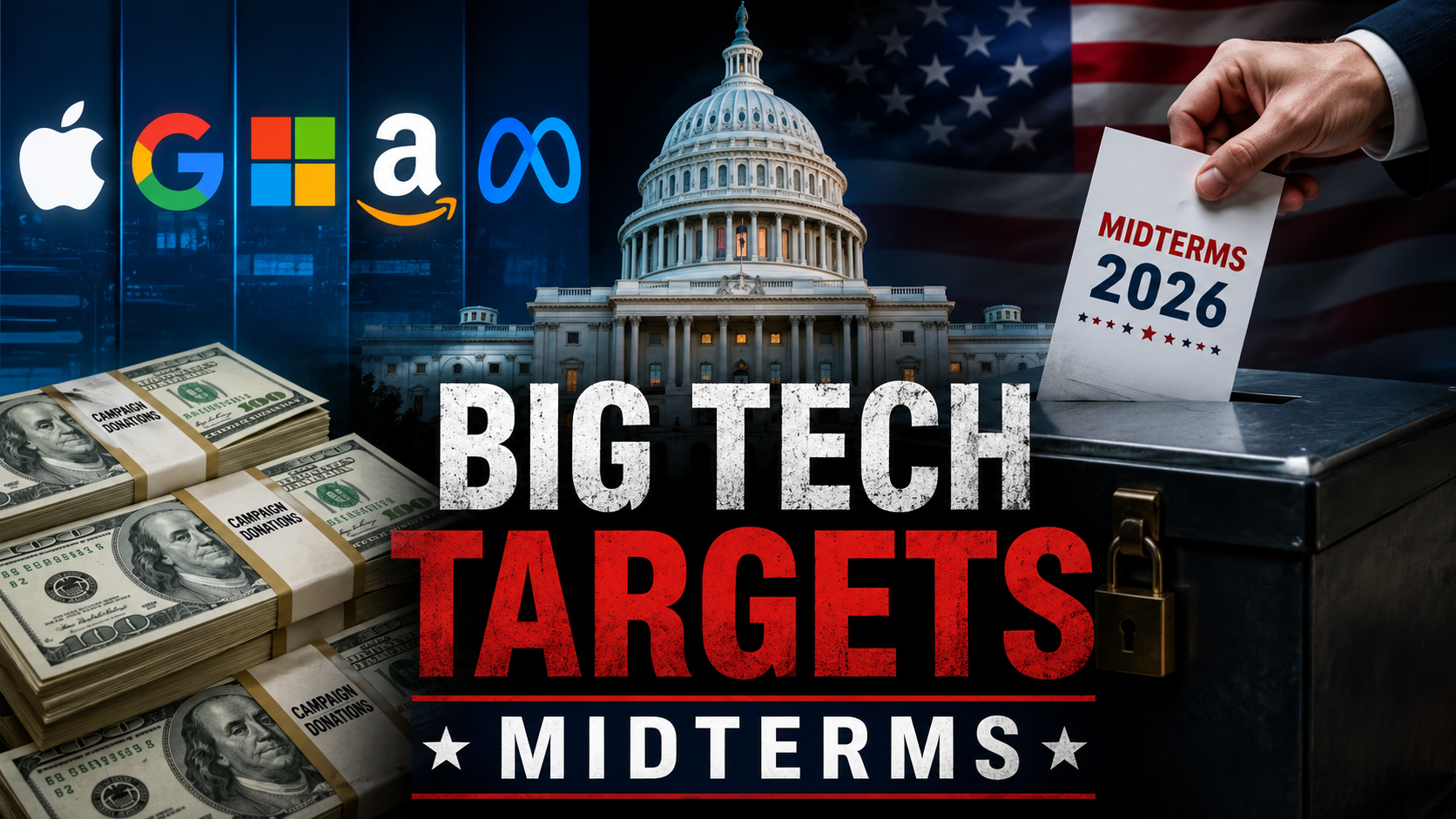
As the 2026 midterm elections approach, major technology companies, venture capital firms, industry executives, and advocacy organizations connected to the artificial intelligence sector are spending tens of millions of dollars to influence the political landscape. While lobbying by large industries is nothing new in Washington, the scale and urgency surrounding AI policy have transformed the technology sector into one of the nation’s fastest-growing political power brokers.
The reason is simple: decisions made over the next several years could determine who leads the global AI race, how the technology is regulated, and whether the United States maintains its competitive edge against China.
For voters, the debate is no longer just about software. It is about economic growth, national security, free speech, privacy, employment, and the future role of government in overseeing one of history’s most powerful technologies.
Why AI Companies Are Investing in Politics
Artificial intelligence has become a trillion-dollar industry. Companies developing advanced AI systems are investing billions of dollars in research, computing infrastructure, semiconductor manufacturing, cloud services, and energy generation.
Because AI development depends heavily on government policy, industry leaders have become increasingly active in the political process. Campaign contributions, political action committees, trade organizations, and lobbying efforts are all being used to influence legislation affecting artificial intelligence.
Issues under debate include national AI standards, copyright rules, cybersecurity, export controls, semiconductor manufacturing, energy infrastructure, workforce development, and how much authority states should have to regulate AI independently.
Industry leaders generally agree that artificial intelligence will reshape nearly every major sector of the economy. They disagree, however, on how aggressively government should regulate the technology.
A Growing Divide Inside the AI Industry
While the technology industry is often viewed as unified, different companies have promoted different approaches to AI policy.
Some organizations favor a single national regulatory framework that would reduce the complexity of complying with dozens of different state laws. They argue that consistent federal standards would encourage innovation while helping American companies compete internationally.
Others support stronger safety requirements, increased transparency, and more oversight as AI systems become increasingly capable.
These differing philosophies have led AI executives, investors, and advocacy groups to support various candidates and organizations during the current election cycle.
The debate illustrates that AI policy is no longer a niche technology issue. It has become a major political issue with implications reaching far beyond Silicon Valley.
Congress Faces Difficult Decisions
Lawmakers are now confronting questions that would have seemed unimaginable only a few years ago.
How should artificial intelligence be regulated?
Who should be responsible when AI systems generate false information?
Should states establish their own AI laws, or should Congress create one national framework?
How should copyrighted material be treated when AI systems are trained using publicly available content?
Should AI-generated political advertising require additional disclosures?
Congress will likely spend years addressing these issues, making the outcome of the 2026 elections especially significant for the technology industry.
America and China Compete for AI Leadership
The political debate is also shaped by international competition.
China continues investing heavily in artificial intelligence, semiconductor manufacturing, robotics, advanced computing, and military applications.
American policymakers from both political parties generally agree that maintaining technological leadership is a national security priority.
Many lawmakers worry that excessive regulation could slow innovation while competitors continue advancing rapidly.
Others argue that failing to establish appropriate safeguards now could create long-term risks involving privacy, misinformation, cybersecurity, and public trust.
The challenge facing Congress is finding an approach that encourages innovation while protecting the public.
What This Means for American Voters
Artificial intelligence will likely influence nearly every aspect of American life during the coming decade.
Healthcare providers are using AI to assist with diagnoses.
Manufacturers are automating production.
Financial institutions are using AI to detect fraud.
Schools are adapting to AI-assisted learning.
Businesses of every size are incorporating AI into customer service, marketing, logistics, and operations.
At the same time, Americans continue expressing concerns about privacy, employment, misinformation, election security, and the growing influence of major technology companies.
Those concerns explain why AI policy has become an increasingly important campaign issue heading into the midterm elections.
Why It Matters
The growing political influence of the AI industry reflects the enormous stakes involved.
Companies investing billions of dollars understandably want regulatory certainty before committing additional resources. Lawmakers want to encourage innovation while protecting consumers. Voters want confidence that emerging technologies will strengthen—not undermine—the economy, civil liberties, and national security.
The decisions made during this Congress could shape American technology policy for decades.
ET News Analysis
Christians should neither fear technology nor place their hope in it.
Artificial intelligence is a powerful tool. Like the printing press, electricity, radio, and the internet before it, AI can be used for tremendous good or tremendous harm depending upon the wisdom and character of those who guide it.
It is appropriate for lawmakers to debate how AI should be regulated. It is also appropriate for citizens to ask whether the largest technology companies are gaining too much influence over public policy through lobbying and campaign spending.
At the same time, America cannot afford to ignore the global competition surrounding artificial intelligence. Nations that lead AI development will likely enjoy significant economic and military advantages during the coming decades.
Christians should encourage policies that promote innovation, protect human dignity, preserve freedom, and require accountability from both government and powerful corporations. Political influence should never replace truth, transparency, or the public interest.
“The plans of the diligent lead surely to advantage, but everyone who is hasty comes surely to poverty.”
— Proverbs 21:5 (NASB 1995)
R.C. Sproul often reminded believers that every sphere of life ultimately belongs to God, including science, technology, and government. Artificial intelligence will undoubtedly shape the future, but Christians should remember that wisdom—not merely innovation—is what ultimately blesses a nation.